Social-Emotional Learning (SEL) is a systematic, evidence-based approach to cultivating emotional intelligence, social skills, and responsible decision-making in children and young people. As education systems worldwide shift toward 21st-century competencies, values learning, Civic Learning, Workforce Preparation, and Character and Citizenship Education, SEL provides an essential framework that integrates cognitive and affective domains. When thoughtfully implemented, SEL programs improve academic achievement, strengthen mental health, enhance interpersonal skills, and create a positive school climate where all students can thrive.
We understand SEL not as an isolated initiative, but as a comprehensive SEL framework that shapes school-family-community partnerships. Organizations such as the Collaborative for Academic, Social, and Emotional Learning (CASEL) and its CASEL SEL framework have helped school leaders, Grade Level Leaders, Pastoral Leaders, and School Counsellors design SEL competencies that align with national education priorities, global education goals, and local school contexts. In this way, social-emotional competencies are embedded across curricula, school routines, and community life.
Defining Social-Emotional Learning and SEL Competencies
Social-Emotional Learning refers to the process through which children and adults acquire and apply the knowledge, attitudes, and skills necessary to understand and manage emotions, set and achieve positive goals, feel and show empathy, establish and maintain positive relations, and make responsible and ethical decisions. These SEL skills are not innate; they develop through intentional instruction, supportive relationships, and guided practice in everyday situations.
Most SEL frameworks describe several core SEL competencies, often aligned with the CASEL organization’s widely recognized model. Social awareness involves understanding others’ perspectives, appreciating diversity, and recognizing social norms. Relationship skills and relationship management focus on building and maintaining healthy interpersonal relationships, resolving conflicts effectively, and cooperating within groups. Responsible decision-making emphasizes ethical decisions that consider safety, social behaviour, and the well-being of oneself and others. Self-awareness and emotional regulation help students recognize their emotions, values, strengths, and limitations, while self-management guides them in managing stress, controlling impulses, and persevering in the face of challenges.
Why SEL Matters: Mental Health, Behaviour, and Academic Outcomes
High-quality SEL programs are directly linked to improved mental health and academic outcomes. Studies published in journals such as the American Journal of Public Health and research initiatives such as the Fast Track Project have shown that early social-emotional skills predict long-term success in schooling, employment, and mental well-being. When students learn to regulate emotions, communicate effectively, and seek help when facing mental health obstacles, they are less likely to develop severe behavioural problems or disengage from school.
Mental health is a growing concern worldwide, with increasing childhood stress, bullying and harassment, social exclusion, and school dropouts. Social-emotional learning addresses these issues by equipping students with tools for emotional regulation, self-advocacy, and supportive peer interaction. Schools implementing SEL often observe reductions in homophobic name-calling, bullying incidents, and disruptive behaviour, while simultaneously seeing gains in academic achievement, attendance, and social behaviour.
From an academic perspective, SEL improves focus, persistence, and engagement with academic content. Students who can manage frustration, cooperate during STEAM projects, and navigate group work demonstrate stronger mastery across subjects. SEL therefore supports both the cognitive and affective domains of learning, reinforcing the idea that emotional intelligence and academic achievement are mutually reinforcing rather than competing priorities.
Historical and Research Foundations of SEL
The modern SEL movement has deep research roots. Early efforts such as the New Haven Social Development Program laid the groundwork for comprehensive social-emotional education in schools. Universities like the National University and programs such as the Master of Arts in SEL program, Education Specialist degrees, and Doctor of Education programs in SEL-related fields have strengthened scholarly understanding of how SEL skills influence long-term outcomes.
Scholars and practitioners, including Dr. Christina Cipriano and Dr. Maggie Broderick, have contributed to the literature on SEL assessment tools, school climate, and implementation science. At the same time, organizations like Six Seconds, the Child Mind Institute, and various research partnerships highlighted in publications such as the Montgomery Advertiser, American Enterprise Institute reports, and resources from the Riverside County Office of Education have emphasized how social and emotional learning can address learning disorders, learning disabilities, and complex behaviour needs through tailored interventions and behaviour intervention plans.
CASEL and Systemic SEL: Frameworks, Toolkits, and Professional Resources
The CASEL organization has played a central role in demystifying systemic Social and Emotional Learning. Its resources, such as the “Demystifying Systemic Social and Emotional Learning Webisode Series,” the SEL 3 Signature Practices Playbook, and the SEL MTSS Toolkit, provide school leaders and educators with practical guidance for embedding SEL within Multi-Tiered Systems of Support. Systemic SEL requires coherent policies, aligned curricula, supportive assessment tools, and strong school-family-community partnerships.
Events like the SEL Exchange and ongoing communications via platforms such as Constant Contact foster a professional learning community among educators, policymakers, and researchers. Portraits of a Graduate frameworks, now widely used across many districts, often include social-emotional skills, ethical decision-making, and interpersonal relationships as key outcomes. Transformative SEL emphasizes equity, identity, and agency, ensuring that SEL is not simply about compliance or behavioural control, but about empowering students to participate meaningfully in their communities and in democratic life.
Practical SEL in Classrooms: Strategies, Activities, and Programs
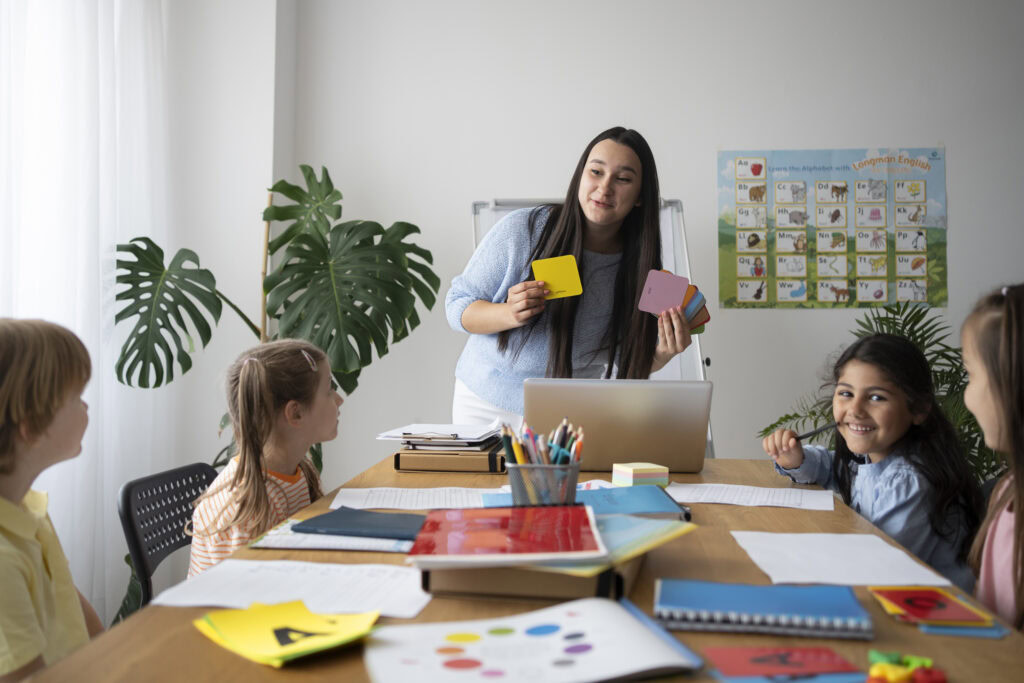
In daily practice, SEL comes to life through intentional routines, evidence-based curricula, and engaging activities. Structured SEL programs, such as the Second Step social-emotional program, offer sequenced lessons that teach empathy, emotional regulation, problem-solving, and conflict resolution in developmentally appropriate ways. Teachers also use everyday interactions and academic content to reinforce SEL skills through homeroom and pastoral care programmes, Units of Inquiry, and interdisciplinary projects.
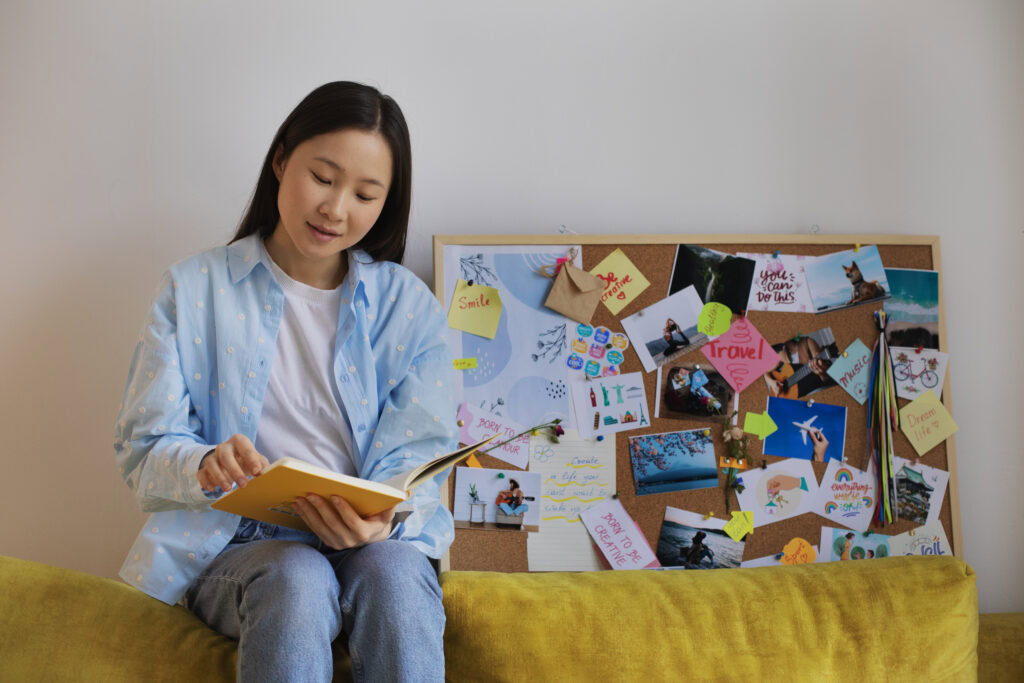
Mindfulness exercises and mindfulness activities are widely used to support attention, self-awareness, and stress reduction. Breath-work techniques and simple yoga poses help students calm their nervous systems, particularly those experiencing childhood stress or mental health obstacles. Puppet play and role playing are powerful tools in early childhood settings, allowing young learners to explore emotions, relationship skills, and social problem-solving in a safe, imaginative context. Vision boards and Group Chats can be used with older students to set goals, explore identity, and reflect on interpersonal relationships.
Games and cooperative learning structures also build SEL competencies. An Emotion Matching game helps students identify and name their own feelings and those of others, strengthening empathy and emotional literacy. Restorative practices, including restorative circles and conferences, provide a structured way for students to repair harm, rebuild trust, and learn from mistakes. These practices model responsible decision-making, accountability, and positive relations, making SEL both behavioural and action-oriented rather than purely theoretical.
SEL in International and Alternative Education Contexts
SEL is not confined to any single educational system. International frameworks, such as the outcomes of the Global Education Meeting, have emphasized the importance of social-emotional learning for inclusive, equitable, and high-quality education. Schools adopting the International Baccalaureate (IB) framework integrate SEL through the IB Learner Profile, Approaches to Learning, and PYP Personal, Social and Physical Education, ensuring that cognitive and affective domains are addressed holistically.
Innovative institutions, including online and hybrid schools such as 21K School, embed SEL into digital learning environments. These schools often combine Character and Citizenship Education, Cyber Wellness, and SEL skills to support safe, ethical, and responsible engagement in virtual spaces. Within such models, homeroom and pastoral care programmes, as well as carefully designed Units of Inquiry and STEAM projects, help students practice collaboration, problem-solving, and ethical decisions in both academic and social contexts.
Addressing Critiques, Misconceptions, and Policy Debates
Despite strong evidence for SEL’s benefits, public debates continue. Some commentators, including Oklahoma Senator Shane Jett and analysts featured in outlets such as the American Enterprise Institute and the Montgomery Advertiser, have raised concerns about the scope and focus of SEL programs. They may question whether SEL competes with academic time, introduces ideological content, or exceeds schools’ traditional role. These discussions underscore the importance of clear communication, transparency, and family education in SEL implementation.
We respond to these concerns by emphasizing that SEL is aligned with core educational goals: preparing students for responsible citizenship, ethical participation in democratic life, and success in work and relationships. SEL does not replace academic content; it enhances students’ readiness to learn, reduces behavioural problems, and supports an inclusive school climate. Effective SEL frameworks respect diverse family values, encourage open dialogue, and invite parents into planning processes, for example, through family routines, workshops, and collaborative school-family-community partnerships.
Supporting Diverse Learners: Intervention, Inclusion, and Equity
For students with learning disorders, learning disabilities, or complex behavioural needs, SEL can be integrated into individualized plans. Behaviour intervention plans that include social-emotional goals focus on building specific interpersonal skills, emotional regulation strategies, and positive social behaviour. When educators adapt SEL activities (such as puppet play, simplified role plays, or visual emotion charts) to meet individual strengths and needs, they provide more equitable access to SEL competencies.
Social-emotional learning also helps address bullying and harassment, social exclusion, homophobic name-calling, and other forms of discrimination. Through explicit teaching of empathy, diversity, and conflict resolution, combined with restorative practices and clear school policies, schools can move beyond punitive approaches toward behavioural and action-oriented change. This supports safer environments where all members of the school community feel seen, respected, and able to participate fully.
Leadership, Professional Learning, and Higher Education Pathways
Effective SEL implementation depends on informed, committed leadership. School leaders, Grade Level Leaders, Pastoral Leaders, and School Counsellors coordinate SEL programs, align them with Character and Citizenship Education, and ensure that SEL frameworks are integrated across curriculum, assessment, and school routines. They also support professional learning for teachers, often drawing on resources like the SEL 3 Signature Practices Playbook, the SEL MTSS Toolkit, and regional guidance from agencies such as the Riverside County Office of Education.
Higher education institutions have responded to growing demand by offering specialized pathways, including the Master of Arts in SEL program, Education Specialist degrees focusing on social-emotional competencies, and Doctor of Education programs examining SEL, school climate, and mental health. Graduates of these programs contribute research, policy guidance, and practical tools that help schools refine assessment tools, measure school climate, and sustain SEL over time.
Integrating SEL with Whole-School Vision and Future Readiness
Ultimately, social-emotional learning is most powerful when aligned with a school’s broader mission and Portraits of a Graduate. Many Portraits now highlight emotional intelligence, interpersonal relationships, responsible decision-making, and ethical decisions alongside academic achievement and 21st-century competencies. When SEL is integrated into Approaches to Learning, Units of Inquiry, PYP Personal, Social and Physical Education, and STEAM Projects, it becomes part of how students experience every aspect of schooling.
As global conversations at forums such as the Global Education Meeting make clear, education systems must support both cognitive and affective domains, preparing learners to navigate complex social, technological, and environmental challenges. By investing in high-quality, research-informed SEL programs, schools create learning environments where academic content, social-emotional skills, mental health, and civic responsibility reinforce one another. The result is a school community characterized by positive relations, an inclusive school climate, and young people equipped to lead, collaborate, and contribute meaningfully to society.