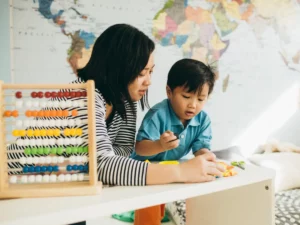
Parents play a vital role in shaping a child’s educational journey. While schools and teachers provide instruction, learning continues far beyond the classroom. Understanding how parents can track their child’s learning progress allows us to identify strengths, address challenges early, and provide meaningful support that helps children thrive academically and personally.
Every child follows unique learning journeys, meaning there is no single method that works for every family. By combining consistent observation with effective progress tracking, we can gain a clearer picture of our child’s academic growth while supporting their confidence and curiosity.
Tracking learning progress is not about placing pressure on children or constantly monitoring every assignment. Instead, it involves staying informed, encouraging open communication, and creating an environment where continuous improvement is celebrated. By adopting the right strategies, we can help children stay motivated while developing confidence in their abilities.
Why Tracking a Child’s Learning Progress Matters
Children develop at different rates, making regular progress monitoring essential. Academic performance is only one indicator of learning. Critical thinking, communication skills, problem-solving abilities, creativity, and emotional development all contribute to long-term success.
As children progress from Primary 1 through higher levels such as Primary 4, Primary 6, and eventually Secondary 4, their academic expectations naturally increase. Regular learning progress reviews help ensure they are prepared for each stage of their education. When we actively monitor progress, we can recognise improvements before they appear on report cards, detect learning difficulties early, encourage healthy study habits, and strengthen collaboration between parents, teachers, and students.
Rather than waiting until examination results reveal problems, consistent observation helps us respond proactively and support our children before small challenges become larger obstacles.

Communicate Regularly with Teachers
Teachers spend significant time observing students in different learning situations, making them valuable partners in tracking progress. Regular parent-teacher communication and scheduled parent-teacher meetings provide insights that extend beyond grades alone. Teachers can explain how children participate in class discussions, complete assignments, collaborate with classmates, and respond to teacher feedback. Their professional observations often provide valuable learning indicators that may not appear in formal assessments.
Questions we may ask include:
- Is our child participating actively during lessons?
- Which subjects demonstrate the strongest understanding?
- Are there areas requiring additional practice?
- What can we do at home to reinforce classroom learning?
Maintaining open communication creates consistency between home and school, allowing children to receive the support they need.
Review Homework and Assignments Together
Homework offers valuable insight into a child’s understanding of classroom concepts. Instead of checking whether answers are simply correct, we should observe how children approach each homework question.
For example, a child who consistently struggles with mathematics word problems may understand calculations but find reading comprehension challenging. Identifying these patterns helps us provide targeted assistance while monitoring mathematical progress over time.
Reviewing assignments together also encourages meaningful conversations about what children learned during the day and allows us to celebrate their efforts rather than focusing only on results. Supplementing school assignments with suitable assessment books or practice exam papers can also reinforce classroom learning without overwhelming children.
Monitor Assessment Results Over Time
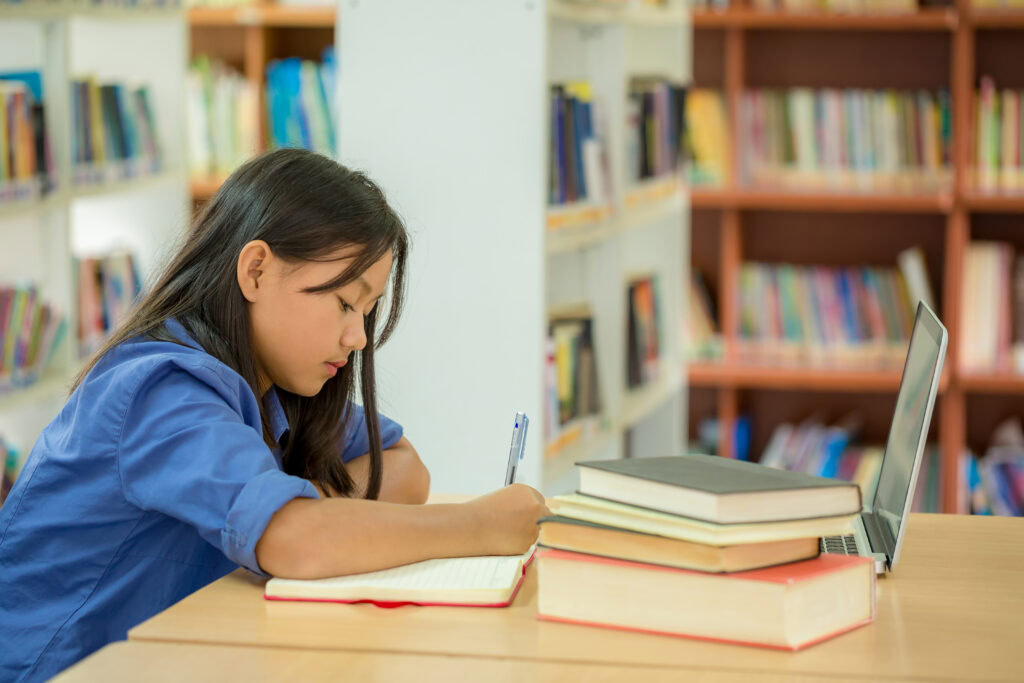
Tests, quizzes, projects, and progress reports provide measurable indicators of academic growth. However, one poor score should never define a child’s abilities. Looking at performance trends across several months provides a clearer picture. Reviewing quiz results, comprehensive quiz outcomes, classroom assessments, and mid-year school progress reports helps identify whether children are steadily improving. For students preparing for sa1 examinations or end-of-year examinations, tracking gradual improvement is often more valuable than focusing on a single score. Progress should always be measured over time rather than through isolated results.
Use Online Learning Platforms and Digital Tools
Many schools now use an online learning platform or student portal that allows parents to monitor assignments, attendance, grades, and teacher feedback in real time. These progress tracking tools often include adaptive quizzes, assignment completion records, and detailed reports that help parents understand how their child is performing. Whether children attend a traditional school or an online school, technology can provide valuable insights into their learning habits.
While digital tools offer convenience, they should complement—not replace—regular conversations with children and teachers. Parents should also balance educational technology with healthy screen time habits to support overall well-being.
Encourage Children to Reflect on Their Own Learning
Self-reflection helps children become independent learners. Rather than simply asking, “Did you finish your homework?” we can encourage deeper conversations. Questions such as “What was the most interesting thing you learned today?” or “Which lesson felt most difficult?” encourage children to think critically about their own learning experiences. Keeping a simple learning journal or personal study record can also help children recognise their own achievements and identify areas where they would like to improve.
Observe Learning Habits at Home
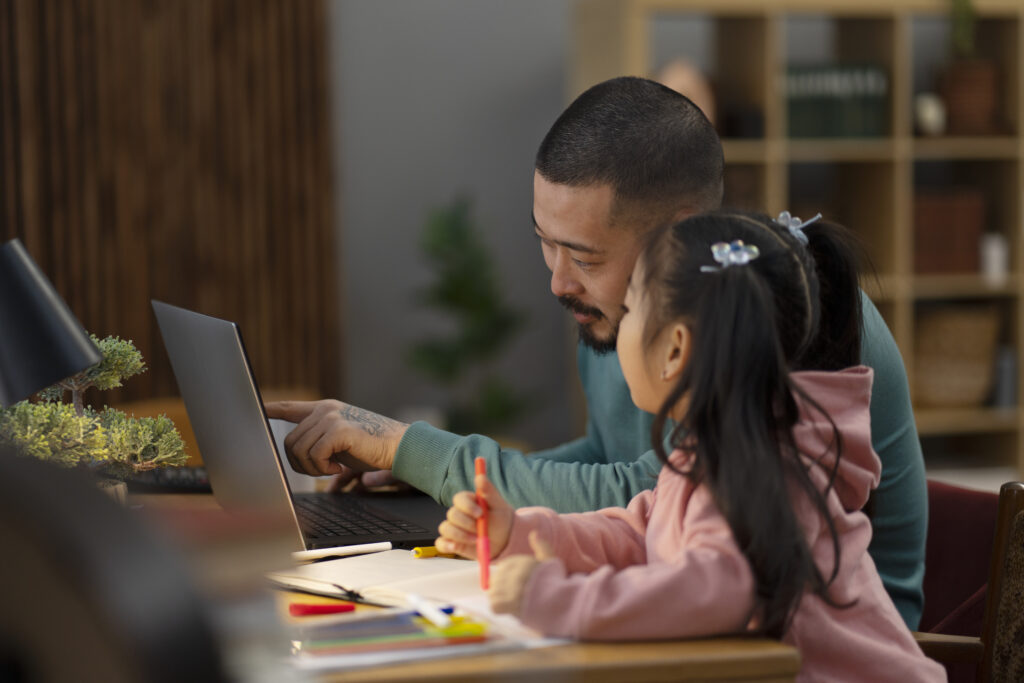
Academic success depends on more than classroom performance. Daily study habits often reveal whether children are developing effective learning skills within a positive home learning environment. We should observe whether our children:
- Complete homework independently.
- Manage consistent study routines.
- Stay focused during learning sessions.
- Ask thoughtful questions when they need clarification.
These habits often become reliable learning milestones that indicate long-term academic growth.
Understand Curriculum Expectations
Parents benefit from understanding the educational standards their children are expected to meet. Schools may follow frameworks established by the Ministry of Education, Singapore’s MOE syllabuses, Common Core State Standards, or other regional curriculum guidelines. Knowing these expectations helps parents better interpret assessment results, identify learning gaps, and support steady academic progress throughout the educational process.
Celebrate Progress Instead of Perfection
Children become more motivated when their effort is recognised. Celebrating improvements—whether large or small—helps build confidence and encourages persistence. For example, praising a child for reading more fluently, improving writing organisation, or successfully completing science experiments reinforces positive learning behaviours. Recognition does not always require rewards; sincere encouragement often has a lasting impact. When mistakes occur, we should view them as opportunities to learn rather than reasons for criticism. This growth mindset supports lifelong learning and encourages resilience.
Build a Partnership Between Home and School
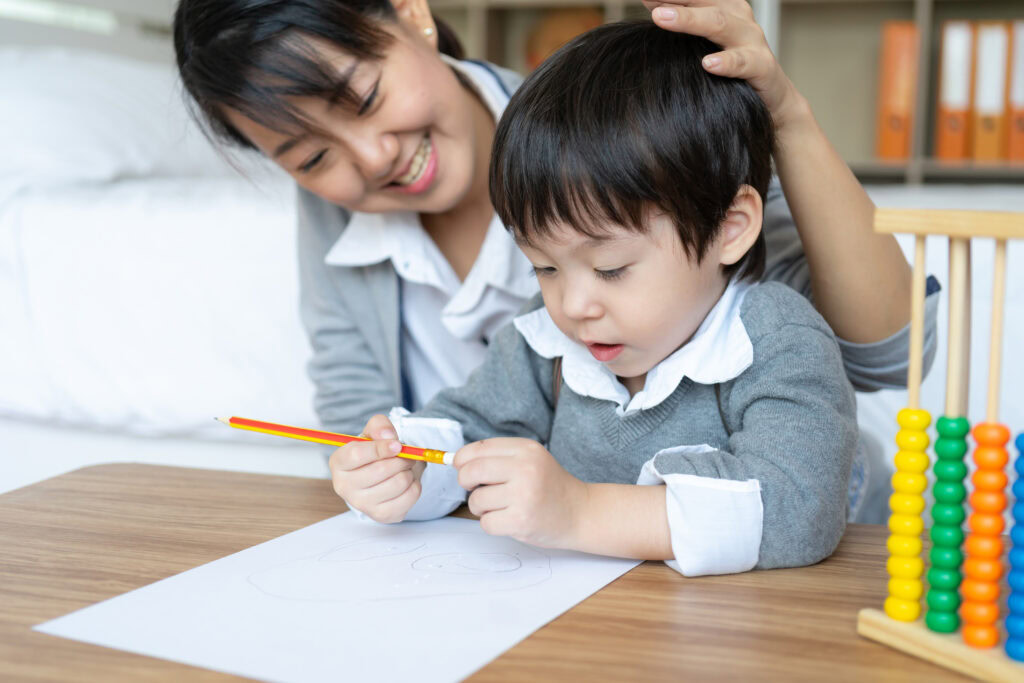
Successful learning depends on teamwork. Parents, teachers, and students each contribute to a child’s educational development. Maintaining consistent expectations, sharing observations, and discussing concerns openly creates a supportive learning environment. Children also benefit from seeing adults work together toward common educational goals through effective parent-teacher communication and regular academic reviews. By combining teacher expertise, meaningful conversations at home, and consistent progress tracking, we can better support every stage of our children’s educational development.
Conclusion
Understanding how parents can track their child’s learning progress involves much more than reviewing report cards. Effective monitoring combines teacher communication, homework review, assessment tracking, digital learning platforms, self-reflection, healthy study habits, and consistent encouragement.
By focusing on continuous improvement instead of perfection, we create a positive environment where children feel supported and motivated to reach their full potential. Every child learns differently, but with active involvement, thoughtful guidance, and effective progress monitoring, we can celebrate achievements, identify opportunities for growth, and help build the confidence needed for lifelong success.