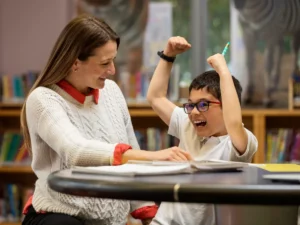
Choosing the best learning system for primary students is one of the most important decisions parents and educators can make. Primary school is a critical stage in a child’s development, laying the foundation for future academic success, critical thinking, creativity, and lifelong learning habits. A well-designed learning system goes beyond helping students achieve high grades—it nurtures curiosity, confidence, independence, and a genuine love for learning.
With educational approaches evolving rapidly, families now have access to traditional classroom instruction, online learning, blended learning, personalised tutoring, and technology-enhanced teaching methods. Understanding what makes an effective learning system enables us to select an approach that supports every child’s unique strengths and creates a meaningful learning journey.
What Makes the Best Learning System for Primary Students?
An effective learning system focuses on developing the whole child rather than emphasising memorisation alone. While academic achievement remains important, students also need opportunities to strengthen communication, collaboration, creativity, and problem-solving skills. The best learning system should provide:
- Clear learning objectives
- Age-appropriate curriculum
- Interactive classroom experiences
- personalized learning
- Regular progress assessments
- Positive teacher-student relationships
- Opportunities for independent thinking
- Strong parental involvement
A supportive learning environment encourages students to participate actively and develop confidence both inside and outside the classroom. When these elements work together, students become active participants in their own learning journey instead of passive recipients of information.

Personalised Learning Improves Student Success
Every child learns differently. Some students absorb information through visual materials, while others prefer hands-on activities, storytelling, discussions, or practical demonstrations. Personalised learning allows teachers to adapt instruction based on each student’s:
- Learning pace
- Strengths
- Areas for improvement
- Interests
- Confidence level
Modern digital learning platforms can further support personalised instruction by providing adaptive learning pathways, interactive exercises, and immediate feedback based on individual performance. Rather than expecting every student to progress at exactly the same speed, personalised instruction ensures children receive the support they need while remaining appropriately challenged. This approach also helps reduce frustration and increase intrinsic motivation because students experience consistent progress instead of repeated setbacks.
Active Learning Encourages Deeper Understanding
Children learn best when they actively participate in lessons instead of simply listening to lectures. Active learning strategies may include:
- Group discussions
- interactive games
- Science experiments
- Role-playing activities
- Digital storytelling
- Project-based assignments
- Problem-solving exercises
These methods encourage students to apply concepts in meaningful situations, making information easier to understand and remember. For example, instead of memorising mathematical formulas, students can solve real-world problems involving shopping budgets, measurements, or time management. Subjects such as the human body or the immune system become much easier to understand when supported by hands-on activities and visual demonstrations.
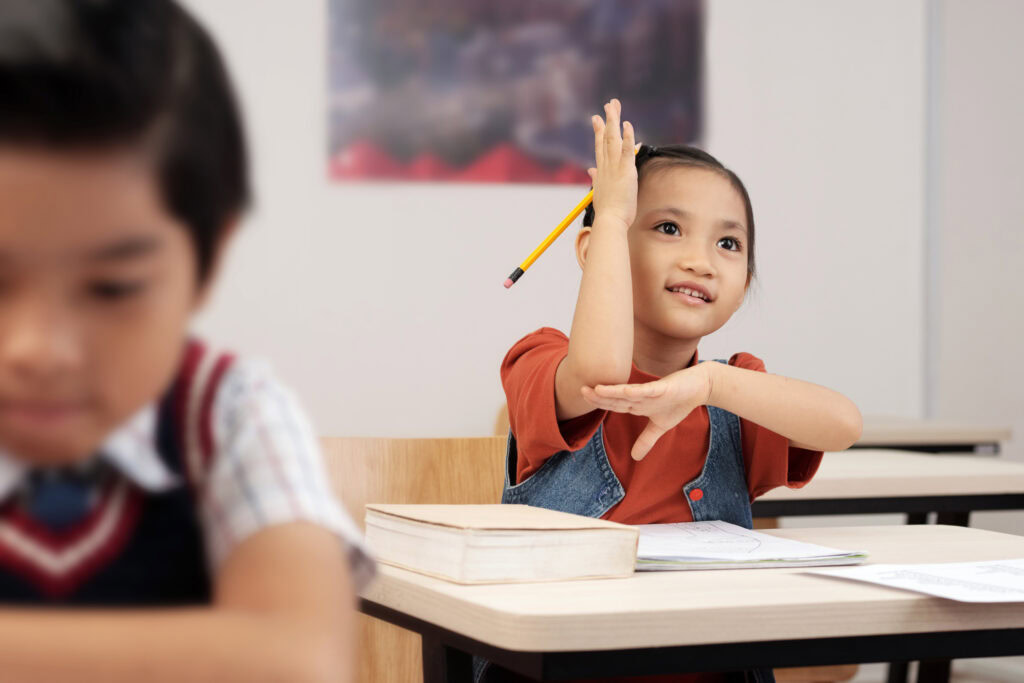
Building Strong Literacy and Numeracy Skills
Literacy and numeracy form the backbone of primary education. Reading comprehension enables students to understand instructions, analyse information, and communicate effectively. Similarly, strong mathematical skills support logical reasoning and analytical thinking. An effective learning system dedicates consistent time to developing:
- Reading fluency
- Vocabulary
- Writing skills
- Mental arithmetic
- Mathematical reasoning
- Problem-solving techniques
Many schools also incorporate primary school English, math, science, and Chinese, as well as structured lesson plans aligned with internationally recognised academic standards. Students who master these foundational skills often perform better across all subjects as they progress through school.
Technology Enhances Modern Learning
Digital technology has transformed primary education by making learning more engaging and accessible. Educational technology can support learning through:
- educational apps
- learning apps
- Interactive educational videos
- virtual classrooms
- gamified learning platforms
- Digital practice exercises
- digital books
Platforms such as Google Classroom enable teachers to organise assignments, share educational content, and communicate efficiently with students and parents. Meanwhile, interactive tools and collaborative tools encourage teamwork even during home-based learning. Technology should complement—not replace—quality teaching. The best learning systems combine digital resources with teacher guidance, classroom interaction, and hands-on experiences.

Developing Critical Thinking and Problem-Solving Skills
Modern education increasingly emphasises critical thinking over rote memorisation. Students should be encouraged to:
- Ask questions
- Analyze situations
- Compare ideas
- Evaluate evidence
- Generate creative solutions
- Explain their reasoning
Many schools now introduce computational thinking through beginner-friendly block-based programming, helping children develop logical reasoning from an early age. For example, rather than simply memorising scientific facts, students can investigate experiments, predict outcomes, and discuss their observations. These experiences prepare children for future academic challenges while building confidence in independent thinking.
The Importance of Positive Teacher-Student Relationships
A supportive classroom environment significantly influences learning outcomes. Teachers who provide encouragement, constructive feedback, and emotional support help students develop confidence and resilience. Positive teacher-student relationships contribute to:
- Higher classroom participation
- Better academic performance
- Improved communication
- Increased motivation
- Reduced anxiety
- Greater willingness to ask questions
Children learn most effectively when they feel safe, respected, and valued within the classroom.

Parental Involvement Strengthens Learning
Education does not end when students leave school. Parents play an essential role by:
- Establishing daily reading habits
- Monitoring homework
- Encouraging curiosity
- Communicating with teachers
- Celebrating achievements
- Providing emotional support
Parents can also reinforce learning by using educational toys such as building blocks, science kits, doctor kits, or interactive puzzles, making learning enjoyable beyond the classroom. Simple activities such as reading together, discussing current events, or practising mathematics during everyday situations reinforce classroom learning and strengthen family connections.
Regular Assessment Supports Continuous Improvement
Assessment should measure understanding rather than simply assign grades. Effective learning systems use multiple forms of assessment, including:
- Classroom observations
- Short quizzes
- Practical activities
- Group projects
- Oral presentations
- Written assignments
Modern AI-driven assessments and digital assessment features allow teachers to monitor student progress more accurately while providing faster feedback and personalised recommendations. Regular assessments help teachers identify learning gaps early, allowing timely intervention before small challenges become larger obstacles.

Creating a Lifelong Love of Learning
The best learning system for primary students encourages curiosity that extends beyond textbooks. Children should be inspired to:
- Read independently
- Explore new interests
- Ask thoughtful questions
- Experiment with ideas
- Solve everyday problems
- Learn from mistakes
Emerging technologies such as artificial intelligence are increasingly supporting personalised instruction through adaptive learning experiences and intelligent recommendations. However, meaningful interactions with teachers remain essential for developing character, empathy, and communication skills. When education becomes enjoyable, students develop intrinsic motivation that continues throughout secondary school and beyond.
Choosing the Right Learning System
No single educational model is perfect for every child. When evaluating learning systems, parents should consider factors such as:
- Teaching philosophy
- Curriculum quality
- Teacher qualifications
- Student support services
- Learning environment
- Technology integration
- Communication with parents
- Academic track record
For families seeking internationally recognised education, schools following the MOE curriculum developed by Singapore’s Ministry of Education are often recognised for balancing academic excellence with holistic development and 21st-century competencies. Visiting schools, speaking with teachers, and understanding a child’s individual needs can help families make informed decisions. The ideal learning system balances academic excellence with personal growth, ensuring students develop both the knowledge and character needed for future success.
Final Thoughts
Finding the best learning system for primary students involves much more than selecting a school with strong examination results. The most effective systems combine personalised learning, active learning, strong development in literacy and numeracy, supportive teacher relationships, meaningful assessments, and active parental involvement.
By creating engaging, student-centred learning experiences through modern technology, quality teaching, and innovative learning resources, we help children build confidence, strengthen essential academic skills, improve digital literacy, and develop the curiosity and resilience needed to thrive in an ever-changing world. Investing in a high-quality learning system during the primary years lays the groundwork for lifelong achievement, independent thinking, and a lasting passion for learning.